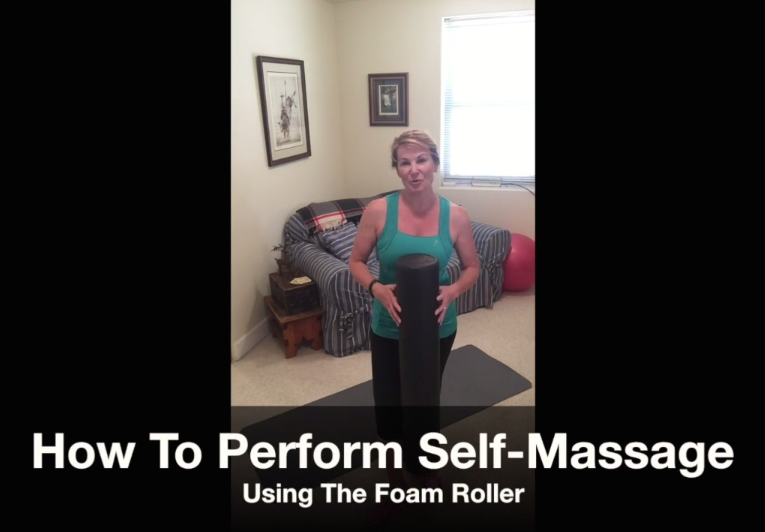
When you think of being physically fit, massage may not be the first thing on your list of to do’s. Oftentimes, when one hears the word massage, a luxurious experience in a fancy spa comes to mind. You probably know it’s good for relieving stress levels but may be wondering how it contributes to helping you fit into your jeans.
There are three main components to physical fitness. They are strength, flexibility, and cardiovascular health. All three are equally important and work together to help your body move more efficiently, prevent injury, and burn calories optimally. Tight muscles can pull on joints which can lead to pain and/or injury. Once a body is suffering from pain or an injury, it can be difficult to follow through with an exercise routine, normal lifestyle activities, and in some cases even work responsibilities.
For years, stretching has been one of the most popular ways to maintain flexibility and is still a good practice.
However, over the years, the fitness industry has come to realize that one of the best ways to maintain flexibility and release tight muscles is to learn the practice of self-massage using tools like foam rollers and tennis balls. Massage, also know as release work or trigger point therapy, has proven to be more effective than stretching when it comes to releasing tight muscles and improving the body’s range of motion for the long term.
Self-Massage
Since massage is really more of a necessity than a luxury, I recommend learning self-massage. When you know how to release tight muscles on your own, it allows you to have unlimited access to massage without taxing your schedule or budget. Even a few minutes a day can make a BIG difference when it comes to improving range of motion and relieving stress (which also helps with weight loss).
In today’s video I demonstrate how to use a foam roller to massage and release your neck, shoulder, and mid back areas. I’ve included some links below to help you purchase a roller of your own if you don’t already own one and a book that I recommend to all of my private coaching clients. The Trigger Point Therapy workbook is inexpensive and walks you through step-by-step self-massage in a way that’s easy to understand. Foam rollers are a low cost investment that are worth every penny.
Enjoy the video and here’s to achieving your best body!
Shared with Love,
Jennifer
RECOMMENDED PRODUCTS IN THIS VIDEO:
Foam Rollers
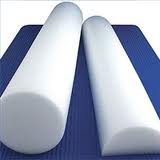 The roller is a great tool every home gym should have available. My clients use them to help develop balance, postural alignment, and flexibility or as support for dynamic strength exercises. Also, foam rollers come in various sizes and denseness, with the more dense rollers being ideal for self-myofascial release and massage therapy. Foam rollers are available in round or half round with the option of 12 or 36 inches in length to fit all levels of user’s abilities and needs. CHECK THEM ALL OUT HERE
The Trigger Point Therapy Workbook: Your Self-Treatment Guide for Pain Relief, Second Edition

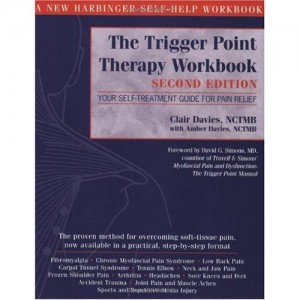 Trigger point therapy is one of the most intriguing and fastest-growing bodywork styles in the world. Medical doctors, chiropractors, physical therapists, and massage therapists are all beginning to use this technique to relieve formerly undiagnosable muscle and joint pain—conditions that studies have shown to be the cause of nearly 25 percent of all doctor visits. The technique involves applying short, repeated massage strokes to trigger points, tiny contraction knots in muscle tissue where restricted circulation and lack of oxygen cause referred pain. Trigger points create pain throughout the body in predictable patterns characteristic to each muscle, producing discomfort ranging from mild to severe. Trigger point massage increases circulation and oxygenation in the area and often produces instant relief. This dynamic technique has made a huge impact among health professionals and the public alike, becoming an overnight classic in the field of pain relief. The book has sold over 220,000 copies since the release of the first edition in 2001. The second edition is a complete update and includes a new chapter specifically for massage professionals, as well as a chapter on systematic muscle relaxation techniques that can reinforce the therapeutic power of trigger point work.
This post contains an Amazon affiliate link which means that if you click on the product link, I’ll receive a small commission. Twenty percent of all Amazon commissions will be donated to charity. It’s a pleasure to serve you!